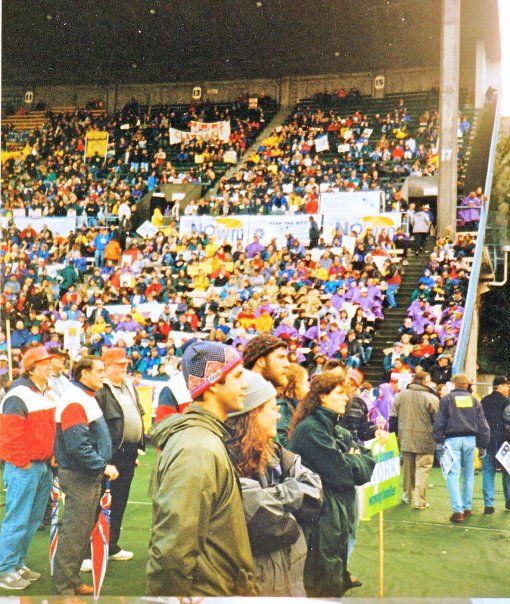
seattle officers involved in jan. 6 rally seek anonymity
Introduction
seattle officers involved in jan. 6 rally seek anonymity . Capitol remain a pivotal moment in American history, sparking intense debate over political expression, public accountability, and the role of law enforcement. Among those caught in the aftermath are four current and former Seattle police officers involved in Jan. 6 rally seek anonymity, as they fight to keep their identities shielded from public disclosure. These officers, who attended former President Donald Trump’s “Stop the Steal” rally in Washington, D.C., have ignited a legal firestorm, raising critical questions about the balance between First Amendment rights and government transparency. This article delves into the complexities of their case, exploring the legal arguments, societal implications, and the broader context of their plea for anonymity.
Background of the Jan. 6 Rally and Seattle Officers’ Involvement
On January 6, 2021, thousands gathered in Washington, D.C., for the “Stop the Steal” rally, where then-President Trump protested the certification of the 2020 presidential election results. The rally preceded a violent insurrection at the U.S. Capitol, leaving a lasting mark on the nation. Among the attendees were six Seattle police officers, four of whom are now central to a legal battle as they, identified as Seattle officers involved in Jan. 6 rally seek anonymity, argue that revealing their identities could lead to harassment and violate their constitutional rights.
The Seattle Police Department (SPD) launched an internal investigation through its Office of Police Accountability (OPA) to determine whether these officers violated laws or department policies. The investigation cleared four of the officers, finding no evidence of unlawful or unprofessional conduct, while one case was deemed inconclusive. However, two other officers, Caitlin and Alexander Everett, were fired after evidence showed they crossed Capitol police barriers, a violation that placed them near the Capitol during the riot. The four remaining Seattle officers involved in Jan. 6 rally seek anonymity to protect their privacy, citing potential backlash in a city known for its progressive leanings.
The Legal Battle for Anonymity
The legal saga began when Sam Sueoka, then a law student, filed a Public Records Act request seeking the release of the OPA investigation records. The four Seattle officers involved in Jan. 6 rally seek anonymity, using “John Doe” pseudonyms, sued to block the disclosure of their identities, arguing that it would infringe upon their First Amendment rights to privacy and free expression. Their attorney, Joel Ard, emphasized that the officers were compelled to disclose personal political beliefs during the investigation, which they claim should remain private.
Initially, the Washington Court of Appeals sided with the officers, ruling that their First Amendment rights to anonymous political expression warranted protection. However, in February 2025, the Washington State Supreme Court reversed this decision, stating that the Seattle officers involved in Jan. 6 rally seek anonymity had not demonstrated a sufficient privacy violation to justify withholding their names. The court argued that attending a highly public event like the Jan. 6 rally did not inherently grant anonymity, especially given the public interest in law enforcement transparency.
Undeterred, the Seattle officers involved in Jan. 6 rally seek anonymity escalated their case to the U.S. Supreme Court, filing a petition in April 2025 to stay the state court’s ruling. The petition, supported by Ard, argued that disclosing their identities could lead to “irreparable harm,” including harassment and doxing, particularly in Seattle’s politically charged environment. The officers contended that the investigation’s probing questions about their political affiliations and motivations for attending the rally constituted a violation of their constitutional protections against compelled disclosure.
U.S. Supreme Court’s Response
In June 2025, the U.S. Supreme Court declined to grant the emergency stay requested by the Seattle officers involved in Jan. 6 rally seek anonymity. Justices Samuel Alito and Clarence Thomas expressed sympathy for the officers’ First Amendment arguments, noting that the Washington Supreme Court may have overlooked the intrusive nature of the investigation’s questions. However, Alito, in a concurring statement, concluded that the officers’ delay in seeking emergency relief undermined their claim of imminent harm. The unanimous decision left the officers’ identities vulnerable to public disclosure, intensifying the debate over privacy rights for public servants.
First Amendment vs. Public Accountability
The case of the Seattle officers involved in Jan. 6 rally seek anonymity highlights a broader tension between First Amendment protections and the public’s right to know. The officers argue that their attendance at a political rally, even one tied to controversial events, is a protected form of expression. They assert that public disclosure of their identities could chill their willingness to engage in political activities, a concern echoed by legal scholars who warn of a “chilling effect” on free speech.
On the other hand, advocates for transparency, including Sueoka’s legal team, argue that law enforcement officers hold positions of public trust, and their actions—especially at an event linked to an insurrection—warrant scrutiny. Neil Fox, an attorney for Sueoka, emphasized that the public has a compelling interest in knowing which officers attended the rally, particularly given the role of law enforcement in upholding constitutional norms. The Washington Supreme Court’s ruling aligns with this perspective, prioritizing transparency over the officers’ anonymity claims.
Societal Implications in Seattle
Seattle’s progressive political climate adds another layer of complexity to the case. The city has a historythere is no definitive evidence to confirm or refute these claims, as the officers have consistently maintained their innocence and non-involvement in the Capitol riot itself.
FAQs
1. Why do the Seattle officers involved in Jan. 6 rally seek anonymity?
The officers argue that revealing their identities could lead to harassment, doxing, and reputational harm, especially in Seattle’s progressive community. They claim that disclosing their political beliefs, compelled during the investigation, violates their First Amendment rights.
2. What was the outcome of the Seattle Police Department’s investigation?
The investigation cleared three of the four officers of any wrongdoing, with the fourth case deemed inconclusive. Two other officers, Caitlin and Alexander Everett, were fired for crossing Capitol police barriers.
3. What did the Washington State Supreme Court rule?
In February 2025, the court ruled that the officers’ names must be disclosed, as they did not demonstrate a privacy violation sufficient to justify anonymity, given the public nature of the Jan. 6 rally.
4. Why did the U.S. Supreme Court decline the officers’ request?
The Court, in a unanimous decision in June 2025, denied the emergency stay, with Justices Alito and Thomas noting that the officers’ delay in seeking relief weakened their claim of imminent harm.
5. What are the broader implications of this case?
The case raises questions about balancing First Amendment rights with public accountability, particularly for law enforcement officers, and could set a precedent for how public records laws intersect with privacy protections.
About the Author


