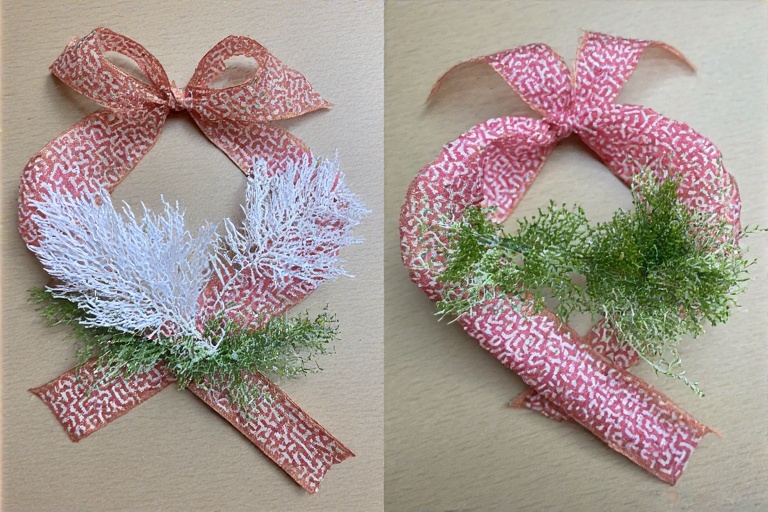
Crafting Creativity: Dawn and Emily Each Had the Same Length of Ribbon
Crafting is a timeless activity that sparks creativity, fosters problem-solving, and brings people together. Imagine a scenario where Dawn and Emily each had the same length of ribbon, a simple premise that opens the door to a world of creative possibilities. This article explores how Dawn and Emily each had the same length of ribbon and used it to engage in a fun, educational, and collaborative crafting activity. By delving into the process, benefits, and outcomes of their project, we aim to inspire readers to embrace their own creative endeavors using everyday materials like ribbons.
The Setup: Dawn and Emily Each Had the Same Length of Ribbon
Dawn and Emily, two enthusiastic middle school students, were given a challenge by their art teacher: Dawn and Emily each had the same length of ribbon—exactly 2 meters of vibrant red satin ribbon—and were tasked with creating something unique. The catch? They had to work together, combining their ribbons to produce a single, cohesive project. This setup, where Dawn and Emily each had the same length of ribbon, encouraged them to think critically about resource allocation, design, and collaboration.
The ribbon, a versatile and colorful material, became the centerpiece of their project. Dawn and Emily each had the same length of ribbon, which meant they needed to strategize on how to maximize its use. Would they braid it, cut it, or layer it? The possibilities were endless, and the constraint of equal ribbon lengths added an exciting layer of challenge to their task.
Why Ribbons? The Versatility of the Material
Ribbons are a staple in crafting due to their flexibility, vibrant colors, and ease of use. When Dawn and Emily each had the same length of ribbon, they were handed a material that could be transformed into countless forms—braids, bows, woven patterns, or even 3D structures. Ribbons are affordable, widely available, and suitable for crafters of all ages, making them an ideal medium for creative exploration.
The fact that Dawn and Emily each had the same length of ribbon leveled the playing field, ensuring fairness while encouraging teamwork. Ribbons also have a tactile quality that engages young crafters, helping them develop fine motor skills and an eye for aesthetics. For Dawn and Emily, the identical lengths of ribbon sparked discussions about symmetry, balance, and design unity.
The Creative Process: Planning and Collaboration
With Dawn and Emily each having the same length of ribbon, the first step was brainstorming. They sat together, sketching ideas and discussing how to combine their resources. Dawn suggested creating a decorative wall hanging, while Emily leaned toward a woven bookmark. After some debate, they compromised on a hybrid project: a set of decorative coasters made by weaving their ribbons into intricate patterns.
Because Dawn and Emily each had the same length of ribbon, they needed to measure and cut carefully to ensure their design was feasible. They divided their ribbons into equal segments, reserving some for the base structure and others for embellishments. This process required them to practice precision and communication, as any miscalculation could disrupt their shared vision.
Their collaboration highlighted the importance of teamwork in creative projects. Dawn and Emily each had the same length of ribbon, but they brought different strengths to the table. Dawn’s knack for patterns complemented Emily’s flair for color coordination, resulting in a project that was greater than the sum of its parts.
Educational Benefits: Learning Through Crafting
The scenario where Dawn and Emily each had the same length of ribbon wasn’t just about crafting; it was a lesson in problem-solving, mathematics, and creativity. By working with equal lengths of ribbon, they practiced measurement and estimation, calculating how much ribbon was needed for each coaster and how to distribute their resources evenly. This hands-on approach to math is particularly effective for young learners, as it makes abstract concepts tangible.
Moreover, the constraint that Dawn and Emily each had the same length of ribbon fostered critical thinking. They had to make decisions about cutting, folding, or weaving while ensuring neither ran out of material prematurely. This mirrors real-world scenarios where resources are limited, teaching them to prioritize and plan effectively.
Crafting also nurtures creativity and self-expression. Dawn and Emily each had the same length of ribbon, yet their individual contributions shaped the final product. This balance of collaboration and individuality allowed them to express their unique styles while working toward a common goal.
Step-by-Step: How Dawn and Emily Used Their Ribbons
To provide inspiration for readers, let’s break down how Dawn and Emily each had the same length of ribbon and turned it into a set of beautiful coasters:
- Planning the Design: Dawn and Emily each had the same length of ribbon, so they sketched a square coaster design, deciding to weave their ribbons into a checkerboard pattern. They calculated that each coaster would require 10 strips of ribbon, each 20 centimeters long, totaling 2 meters per person.
- Cutting the Ribbons: Using a ruler and scissors, they carefully cut their ribbons into equal segments. Since Dawn and Emily each had the same length of ribbon, precision was key to ensure both contributed equally to the project.
- Weaving the Base: They created a simple loom using cardboard, securing the vertical strips (Dawn’s ribbon) and weaving the horizontal strips (Emily’s ribbon) to form the checkerboard pattern. The equal lengths ensured a balanced design.
- Securing the Edges: To prevent fraying, they used fabric glue to seal the ribbon ends, adding a decorative border with leftover segments. This step showcased how Dawn and Emily each had the same length of ribbon and used it efficiently.
- Finishing Touches: They added small beads to the coaster corners, enhancing the aesthetic appeal. The final product was a set of four coasters, each a testament to their creativity and teamwork.
This process demonstrates how Dawn and Emily each had the same length of ribbon and transformed it into a functional, beautiful craft.
The Outcome: A Lesson in Creativity and Teamwork
The finished coasters were a hit in their classroom, earning praise from their teacher and peers. Dawn and Emily each had the same length of ribbon, yet their collaborative effort produced a result that was both practical and visually appealing. The project taught them the value of planning, communication, and compromise, skills that extend far beyond the art room.
Their success also highlighted the power of constraints in sparking creativity. Because Dawn and Emily each had the same length of ribbon, they were forced to think outside the box, finding innovative ways to maximize their resources. This mirrors how limitations in real-world scenarios can drive innovation, whether in design, business, or problem-solving.
Inspiring Others: Try It Yourself!
The story of Dawn and Emily each having the same length of ribbon is an invitation for readers to embark on their own crafting adventures. Ribbons are inexpensive and versatile, making them perfect for DIY projects. Whether you’re a parent looking for activities for your kids or an educator seeking classroom projects, the concept of equal resources can inspire collaborative creativity.
Try setting up a similar challenge: give two or more people the same length of ribbon and see what they create together. You could make bookmarks, hair accessories, or even small sculptures. The key is to embrace the constraint that each person has the same length of ribbon, encouraging teamwork and resourcefulness.
Conclusion
The journey of Dawn and Emily each having the same length of ribbon illustrates the magic of creativity within constraints. Their project transformed a simple material into a meaningful creation, showcasing the power of collaboration, planning, and imagination. By working together, they not only crafted beautiful coasters but also learned valuable lessons about teamwork, problem-solving, and resource management. This story serves as a reminder that limitations can inspire innovation, and even the simplest materials can lead to extraordinary outcomes. So, grab some ribbon, find a partner, and let your creativity shine!
FAQs
Q: What can I make with a limited length of ribbon?
A: With a fixed length of ribbon, you can create bookmarks, coasters, hair ties, or decorative garlands. The key is to plan your design to maximize the material, as Dawn and Emily each had the same length of ribbon and used it efficiently.
Q: How does crafting with ribbons benefit children?
A: Crafting with ribbons, like when Dawn and Emily each had the same length of ribbon, enhances fine motor skills, encourages creativity, and teaches resource management. It also promotes collaboration and problem-solving in group settings.
Q: Can adults enjoy ribbon-based crafts?
A: Absolutely! Adults can use ribbons for home décor, gift wrapping, or fashion accessories. The challenge of working with equal lengths, as Dawn and Emily each had the same length of ribbon, adds a fun twist to adult crafting projects.
Q: Where can I find ribbons for crafting?
A: Ribbons are available at craft stores, online marketplaces, or even repurposed from gift packaging. Choose vibrant colors and durable materials to replicate the experience of Dawn and Emily each having the same length of ribbon.
Q: How can I make crafting educational?
A: Incorporate math by measuring and dividing ribbons, as Dawn and Emily each had the same length of ribbon. Encourage discussions about design and teamwork to build critical thinking and communication skills.
About the Author


